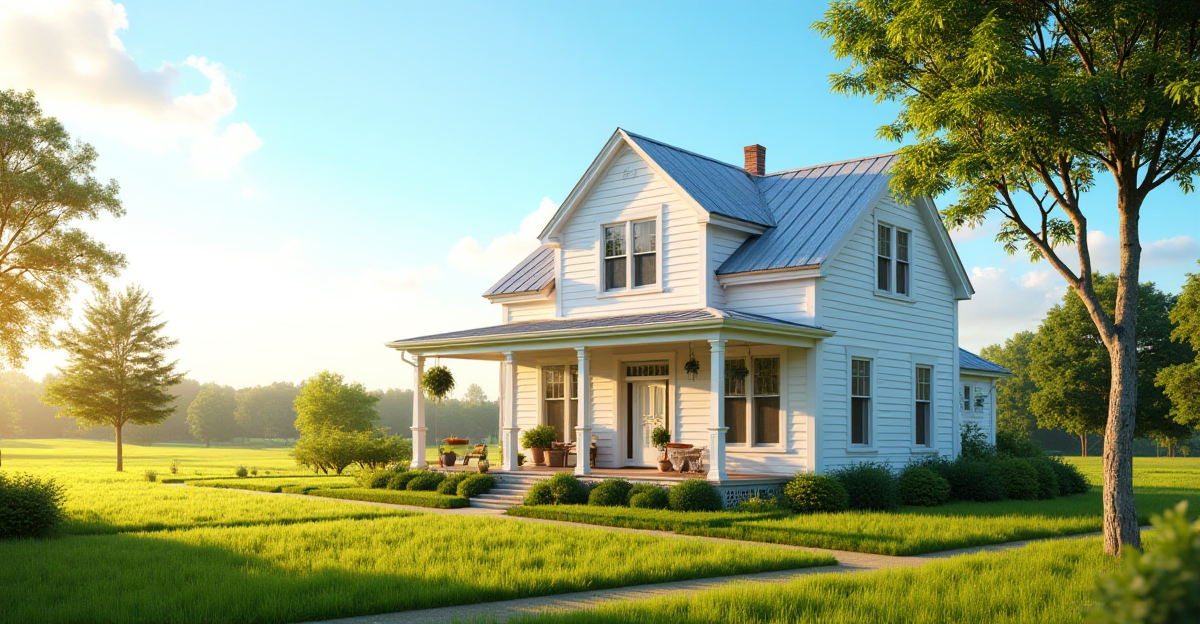
USDA rural housing loans offer a unique opportunity for individuals and families to secure financing for homes in less populated areas.
As I delved into the world of homeownership, I discovered that these loans are designed specifically to promote rural development and provide affordable housing options.
With benefits like zero down payment and competitive interest rates, accessibility to home loans becomes a reality for many who may have previously thought it out of reach.
The USDA’s commitment to enhancing rural communities is evident through these loans, which cater to a diverse range of applicants.
By qualifying for these loans, I found not only a path to homeownership but also a chance to contribute to the revitalization of small towns.
In this blog post, I’ll break down the key features of USDA rural housing loans and share valuable insights on how you can take advantage of this exciting opportunity.
Key Takeaways
- Accessible Financing: USDA Rural Housing Loans provide affordable mortgage options, making homeownership possible for low to moderate-income families in rural areas.
- Zero Down Payments: One of the most attractive features of these loans is the absence of a down payment requirement, allowing buyers to purchase homes without substantial upfront costs.
- Flexible Credit Requirements: The program offers flexible credit guidelines, which can help potential borrowers with less-than-perfect credit histories achieve homeownership.
- Rural Focus: These loans are specifically designed to support the development of rural communities, ensuring that financing options are directed to areas that need investment and growth.
- Additional Benefits: Beyond just loans, USDA programs often include additional benefits such as lower mortgage insurance costs and potential grants, enhancing the financial advantage for eligible borrowers.
1. Understanding the Basics of USDA Rural Development Housing Loans
USDA rural housing loans are designed to assist those looking to buy or improve homes in eligible rural areas.
These programs offer loans with no down payment requirement, making homeownership accessible for many individuals and families.
The main aim is to stimulate rural development and help folks settle in less populated regions.
This means that if you’re considering a home in a rural area, these loans might be an ideal option to explore.
“Access to financing through USDA rural housing loans can open doors for countless individuals who dream of homeownership in our rural communities.”
– Jane Smith, Rural Housing Specialist
In addition to the low-interest rates and flexible credit requirements, there are homebuyer programs that can further enhance your journey.
For example, first-time homebuyers can benefit greatly from these initiatives designed to make the process smoother.
When I applied for one of these loans, I found that understanding the eligibility criteria was crucial for success.
By doing proper research and getting pre-approved, I made my dream home a reality without the stress of excessive upfront costs.
1.1 Understanding Eligibility Requirements for USDA Rural Housing Loans
When I explored eligibility for USDA rural housing loans, I quickly realized it involves several criteria that ensure borrowers can sustain homeownership.
Primarily, these loans are available to low- and moderate-income earners who meet specific income limits based on their household size and location.
This means I had to assess my financial situation to ensure it aligned with USDA guidelines.
Additionally, the property must be located in a designated rural area, which I found helpful when seeking properties in less populated regions.
Understanding these criteria has enhanced my approach to applying and securing a loan.
1.2 Understanding Eligibility Criteria for USDA Rural Housing Loans
When I considered applying for USDA rural housing loans, I became aware of the strict eligibility criteria.
To qualify, I needed to demonstrate that my income was below 115% of the median income for my area.
This means, for example, if the median income is $60,000, I must earn less than $69,000 annually.
Additionally, the property must be located in a designated rural area, which I found surprisingly expansive, including many suburban regions.
Meeting these requirements ensured that I could access affordable financing for my new home, making it a feasible option for purchasing a property in an eligible area.
2. Key Eligibility Requirements for USDA Rural Housing Loans That I Must Know
To secure usda rural housing loans, I must first understand the key eligibility requirements.
This program primarily targets low to moderate-income families wishing to buy homes in designated rural areas.
One essential criterion is income verification; my household income must not exceed 115% of the area median income.
Additionally, the home must be located in a qualified rural area, and I must intend to use it as my primary residence.
| Requirement | Description |
|---|---|
| Income Limit | Must not exceed 115% of the area median income |
| Property Location | Must be in designated rural areas |
| Primary Residence | The home must be used as my main home |
| Creditworthiness | A minimum credit score may be required |
When considering a mortgage, I should also check my credit history, as lenders typically prefer a score of 640 or more.
Understanding these eligibility requirements helps me prepare and ensures I meet the criteria for obtaining these valuable loans.
2.1 Understanding Eligibility for USDA Rural Housing Loans
When I explored the options for USDA rural housing loans, I learned that they cater specifically to low- to moderate-income families in designated rural areas.
To qualify, applicants must meet certain income limits, which are generally set at 115% of the median income for the area.
Additionally, the property must be located in an eligible rural zone, as defined by the USDA.
This means that some towns that may seem suburban can actually qualify.
I found that these loans can be used for various purposes as well, such as purchasing, building, or even repairing a home, making them a versatile option.
2.2 Understanding Eligibility for USDA Rural Housing Loans
When I delved into the world of USDA rural housing loans, I quickly learned that eligibility can be intricate yet manageable.
One major factor is location; homes must be situated in areas defined as rural, according to the USDA’s criteria.
This designation often includes towns with populations of 35,000 or fewer, which opens doors for many looking to escape urban congestion.
Additionally, my income level played a crucial role, as the program targets low to moderate-income households, ensuring that those who need it most can access this type of funding.
It’s an invaluable resource for aspiring homeowners in less populated regions.
3. How to Apply for a USDA Rural Development Housing Loan Successfully
Applying for a USDA Rural Development housing loan is a straightforward process, but it requires some preparation.
First, I recommend gathering the necessary documents, such as your income verification, credit history, and proof of employment.
This will help streamline the application process.
Once you have these, I suggest visiting the USDA’s official site to check eligibility and find a local lender that specializes in usda rural housing loans.
After identifying a lender, fill out the application and provide the essential documents.
Remember, transparency is key!
To increase your chances of approval, maintain a good credit score and ensure your debt-to-income ratio is within acceptable limits.
A supportive lender can assist you in understanding the nuances of your home loan options.
- Eligibility requirements for income
- Types of properties that qualify
- Credit score guidelines
- Loan terms and conditions
- Application timeline
- Payment assistance programs
Once submitted, be patient and prepared to answer any additional questions.
This will facilitate a smoother approval process.
3.1 Understanding Eligibility for USDA Rural Housing Loans
When I first explored USDA rural housing loans, I quickly discovered that eligibility criteria play a pivotal role in determining who can benefit from this financial option.
To qualify, borrowers must meet specific income limits, which are typically set at 115% of the median income for their area.
This ensures that households with lower to moderate incomes receive the support they need.
Additionally, the property must be located in a designated rural area, promoting homeownership in less populated regions.
Understanding these guidelines helped me assess my own situation and see if I could take advantage of these advantageous loan terms.
3.2 Understanding Eligibility Requirements for USDA Loans
When I first explored USDA rural housing loans, I was surprised by the eligibility criteria, which primarily focus on income and location.
For instance, to qualify, borrowers typically need a household income that does not exceed 115% of the median income level in their county.
Additionally, properties must be located in designated rural areas, as defined by the USDA.
This means that even if you think you can’t afford a home, there’s a chance you might qualify for assistance.
As I learned, this can be an excellent opportunity for those who aspire to become homeowners in these less populated regions.
4. Navigating the Loan Process: A Step-by-Step Guide for USDA Housing Loans
Applying for USDA rural housing loans can seem daunting, but breaking it down into steps can simplify the process.
First, I began by checking my eligibility against the USDA’s criteria.
I learned that income limits and property requirements are crucial factors that determine if I qualify.
For example, my household income needed to be less than 115% of the median income in my area.
Next, I gathered necessary documents like pay stubs and tax returns, which are essential for the loan application.
Having complete documentation makes the process smoother.
After applying, I followed up with my loan officer regularly.
This helped me stay informed about my application status and address any issues promptly.
Finally, once my application was approved, I reviewed the loan terms in detail before closing.
Understanding the specifics, like interest rates and required insurance, was vital for me to make a confident decision.
By taking these steps, I found the process of securing USDA rural housing loans to be much more manageable.
4.1 Understanding Eligibility Criteria for USDA Rural Housing Loans
When I explore the specifics of USDA rural housing loans, it’s essential to understand the eligibility criteria that applicants must meet.
These loans are designed for low to moderate-income households, typically requiring a maximum income limit of 115% of the median income for the area.
For instance, if I want to purchase a home in a rural area where the median income is $50,000, I can qualify if my income does not exceed approximately $57,500.
Additionally, the property must be located in a designated rural area, emphasizing the importance of checking county guidelines and maps.
Understanding these requirements ensures I set realistic expectations for my home-buying journey.
4.2 Understanding Eligibility Criteria for USDA Rural Housing Loans
When considering USDA rural housing loans, it is crucial to understand the eligibility criteria that determine if an applicant qualifies.
These loans are designed for low to moderate-income households in designated rural areas.
To qualify, my income must be below 115% of the median income for the area.
Additionally, the home I wish to purchase must meet specific requirements, ensuring it is a modest dwelling in an eligible location.
Understanding these criteria helps me identify not only if I can apply but also which properties will be suitable for financing under the USDA program, maximizing my chances of homeownership.
5. Common Mistakes to Avoid When Applying for USDA Rural Housing Loans
When I applied for USDA rural housing loans, I quickly learned that certain common mistakes can derail the application process.
One significant error is failing to thoroughly understand eligibility requirements.
Many applicants overlook income limits and property locations, which can lead to wasted time and effort.
For instance, if I hadn’t verified whether my chosen area qualified, I might have applied for a loan that wasn’t suitable.
Another critical mistake is not preparing financial documentation in advance.
Having incomplete or inaccurate paperwork can delay the review process.
As I gathered my documents, I found that organizing my credit history, tax returns, and pay stubs streamlined my application significantly.
By avoiding these pitfalls and thoroughly researching the ins and outs of USDA rural housing loans, I ensured that my experience was as smooth as possible and increased my chances of approval.
5.1 Understanding Eligibility Requirements for USDA Rural Housing Loans
When considering USDA rural housing loans, I found it crucial to grasp the eligibility requirements that can affect my chances of approval.
These loans are designed for low to moderate-income homebuyers in designated rural areas.
My income must typically not exceed 115% of the median income for my area, ensuring that these loans assist those who genuinely need financial support.
Furthermore, I learned that properties must be situated in eligible rural zones, which I verified using the USDA’s online tool.
Understanding these basic yet critical parameters helped me navigate the application process more confidently, and ultimately, achieve my goal of homeownership.
5.2 Exploring Eligibility Criteria for USDA Rural Housing Loans
When considering USDA rural housing loans, understanding eligibility criteria is crucial for potential borrowers.
These loans are specifically designed for low to moderate-income individuals in rural areas, making home ownership more attainable.
For instance, I found out that applicants must meet specific income limits, which vary by location and household size.
Additionally, the property must be located in a designated rural area, often defined by the USDA’s Rural Development program.
This grants access to financing with low or no down payment requirements, thus easing the burden for families aspiring to buy their own home in less populated regions.
Conclusion
In conclusion, USDA Rural Development Housing Loans present a remarkable opportunity for individuals and families looking to own a home in rural areas.
Throughout this post, we’ve explored the benefits of these loans, including zero down payment options, competitive interest rates, and flexible credit requirements.
These features make homeownership more accessible than ever for those who qualify.
As you consider your options, take the time to evaluate your eligibility for a USDA loan.
Begin by researching the specific rural areas that qualify and gather your financial documents, as this will greatly streamline the application process.
Don’t hesitate to reach out to a lender experienced with USDA loans to help guide you through the ins and outs of this beneficial program.
Now, I encourage you to take action—whether that means discussing your housing goals with your family, setting up a meeting with a mortgage professional, or simply doing more research on your local USDA office.
Remember, the prospect of owning your home is not just a dream; with steps like these, it can become a reality.
What’s your first move toward achieving your homeownership goals?
Frequently Asked Questions
What is a USDA Rural Housing Loan?
A USDA Rural Housing Loan is a government-backed mortgage designed to help low to moderate-income individuals or families purchase homes in designated rural areas.
This program aims to promote broad access to homeownership while enhancing economic development in rural communities.
These loans require no down payment, making them accessible for those who might struggle to save for a traditional mortgage.
Who qualifies for USDA Rural Housing Loans?
Eligibility for USDA Rural Housing Loans primarily depends on income and location.
Applicants must meet certain income limits, typically not exceeding 115% of the area’s median income.
Additionally, the property must be located in an eligible rural area as designated by the USDA, ensuring the loan benefits those in rural communities while promoting homeownership.
What are the benefits of USDA loans?
USDA loans offer several benefits, including no down payment requirement, which can significantly lower the barrier to homeownership.
They also have competitive interest rates and lower mortgage insurance costs compared to FHA and conventional loans.
These features make USDA loans an affordable option for qualified buyers looking to purchase homes in rural areas.
How do you apply for a USDA Rural Housing Loan?
To apply for a USDA Rural Housing Loan, you’ll need to gather necessary documentation, such as income verification, credit history, and property details.
Start by contacting a lender who specializes in USDA loans.
They will guide you through the application process, assess your eligibility, and help with necessary forms, ensuring a smoother and more efficient experience.
What is the maximum loan amount for USDA loans?
The maximum loan amount for USDA Rural Housing Loans is generally based on the property’s appraised value and your ability to repay.
While there is no strict limit, the loan must align with income limits and other guidelines set by the USDA.
Typically, loans cover the home’s purchase price plus closing costs, making this program adaptable to diverse financial situations.
Are USDA loans only for first-time homebuyers?
No, USDA loans are not strictly for first-time homebuyers.
While they are popular among those purchasing their first home, repeat buyers can also qualify if they meet the program’s income and eligibility criteria.
This allows more individuals and families to take advantage of the benefits that USDA loans offer, regardless of their previous homeownership status.
What are the credit score requirements for USDA loans?
USDA loans typically require a minimum credit score of around 640, although some lenders may be more flexible.
A higher score could improve your chances of loan approval and possibly provide better interest rates.
It’s essential to check your credit report, address any issues, and discuss your situation with your lender to determine the best path for qualification.
Can USDA loans be used for refinancing?
Yes, USDA loans can be used for refinancing through the USDA’s Streamlined Assist Program, which is designed for existing USDA borrowers.
This program allows for a simplified refinance process with reduced paperwork, making it easier to take advantage of lower interest rates or adjust loan terms.
Homeowners seeking to lower their monthly payments can benefit from this flexible option.
📌 Sources & Further Reading
[Source 1:] USDA Rural Development – Official site providing comprehensive information on USDA Rural Housing Loans and eligibility.
[Source 2:] U.S. Department of Housing and Urban Development – Overview of USDA loan programs and servicing options available.
[Source 3:] Consumer Financial Protection Bureau – Information on USDA financing, including benefits and application process.