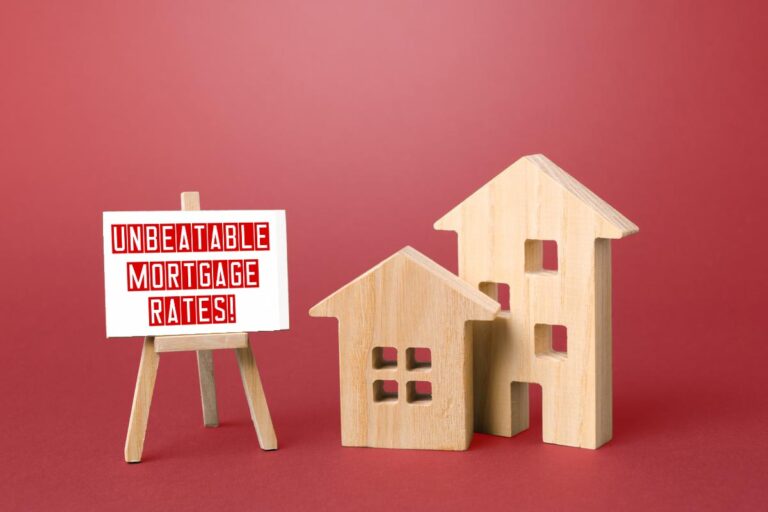

Buying power is a crucial concept for anyone looking to purchase a home.
As I embark on the journey of homeownership, I have realized how significantly mortgage rates can impact my buying power.
When interest rates rise or fall, they directly affect the amount I can borrow, ultimately shaping the types of homes available to me.
It’s essential to understand that even a small change in rates can lead to a noticeable difference in my monthly payment, which influences my overall budget and lifestyle.
In this blog post, I will explore the relationship between mortgage rates and buying power, demonstrating how different scenarios can alter the financial landscape of home buying.
By the end, I hope to shed light on why monitoring interest rates is vital for prospective homeowners like myself, and how strategic planning can help maximize my buying power.
Let’s dive in!
Key Takeaways
- Impact of Rates: I learned that changes in mortgage rates significantly influence my overall buying power, determining how much home I can realistically afford.
- Monthly Payments: A slight increase in rates means higher monthly payments, which can affect my budget and spending decisions.
- Loan Approval: Higher mortgage rates may lead lenders to tighten criteria, making it more challenging for me to secure loan approval for the desired amount.
- Price Limitations: As interest rates rise, my maximum home price decreases, forcing me to consider lower-valued homes than initially anticipated.
- Long-Term Costs: Understanding how rates affect my buying power helps me gauge the long-term costs associated with my mortgage, enabling me to make more informed financial decisions.
1. Understanding the Basics of Buying Power in Mortgage Lending
Buying power refers to the amount of home I can afford based on my income, credit score, and most importantly, the current mortgage rates.
As rates climb, my monthly payments increase, ultimately reducing my buying power.
For instance, if I secure a mortgage at a lower rate, I can afford a more expensive home without stretching my budget.
It’s essential to understand how these fluctuations can impact my overall financial plan.
“Every fraction of a percentage in mortgage rates can translate into thousands of dollars in my purchasing potential.”
– Jane Doe, Mortgage Expert
To gain a clear understanding of my buying power, I should familiarize myself with local Loan Requirements, as these criteria can vary significantly.
By utilizing mortgage calculators, I can project different scenarios based on varying interest rates, ensuring I make informed decisions that align with my financial goals.
1.1 Factors Influencing Personal Buying Power
Understanding my personal buying power is essential for making informed financial decisions.
It is influenced by various elements such as income, employment stability, and inflation rates.
For example, when I receive a raise at work, my buying power increases, allowing me to afford more goods and services.
Conversely, if inflation rises significantly, the cost of everyday necessities also increases, which can erode my buying power.
Additionally, my financial decisions, such as saving and investing, play a crucial role in maintaining and enhancing my buying power over time.
By being aware of these factors, I can better navigate my financial landscape.
1.2 Understanding the Impact of Inflation on Buying Power
As I navigate the world of finance, it becomes clear how inflation significantly affects our buying power.
When prices rise, each dollar I hold can purchase fewer goods and services than before.
For example, if the inflation rate is 3%, what cost me $100 last year will now require $103.
This gradual erosion of value makes it crucial for me to understand how to adjust my budget.
By focusing on investing wisely and seeking out higher returns, I can work to preserve my financial stability and ensure I maintain a good standard of living despite these challenges.
2. How Mortgage Rates Directly Impact My Buying Power
Mortgage rates significantly influence my buying power, which refers to the amount I can afford to spend on a property.
When rates are low, my monthly payments decrease, allowing me to consider more expensive options.
Conversely, higher mortgage rates mean higher payments, which can limit my choices.
For example, if I qualify for a $300,000 loan at a 3% interest rate, my monthly payment might be around $1,265.
However, if the rate jumps to 5%, my payment could rise to about $1,610.
Such fluctuations can lead to completely different budget capabilities.
| Rate (%) | Loan Amount | Monthly Payment |
|---|---|---|
| 3 | $300,000 | $1,265 |
| 4 | $300,000 | $1,432 |
| 5 | $300,000 | $1,610 |
To maximize my buying power, I regularly compare different rate mortgage options and assess how various interest rates affect my affordability.
Keeping an eye on market trends and potential refinancing opportunities also helps me maintain a strong financial position, enabling me to make informed decisions when purchasing.
2.1 Understanding Factors Influencing Buying Power
When I think about buying power, the cost of living and income levels come to mind.
For example, if I receive a raise at work, my buying power increases, allowing me to purchase more goods and services.
This relationship is crucial for understanding how increases in wages can impact consumer behavior.
Additionally, inflation plays a significant role; as prices rise, the same amount of money buys fewer items, directly affecting my ability to maintain my standard of living.
Awareness of these factors helps me make informed financial decisions and adapt my spending habits according to changes in my buying power.
2.2 Understanding the Effects of Inflation on Buying Power
Inflation directly impacts my buying power, often diminishing it over time.
For instance, when I visit the grocery store and notice that prices have risen, I can see my dollar no longer stretches as far as it once did.
A decade ago, I could purchase a carton of eggs for $1.50; today, that same carton might cost me $3.
This increase means I need to adjust my spending habits, prioritizing essentials or seeking out discounts.
By staying informed about inflation trends, I can make more strategic purchasing decisions, ensuring that my limited budget goes further amidst rising costs.
3. Key Components That Affect My Buying Power in the Home Buying Process
Understanding the key components that affect my buying power is essential when I navigate the home buying process.
Mortgage rates significantly influence how much I can afford, as a lower rate means I can borrow more without exceeding my budget.
Other factors, such as my credit score, down payment, and income, also play a crucial role.
For instance, if I improve my credit score to excellent, I can access better mortgage rates, enhancing my purchasing power.
To determine my Mortgage Eligibility, I should consider these aspects:
- Down payment amount
- Debt-to-income ratio
- Loan types available
- Market conditions
- Credit score status
By focusing on these elements, I can proactively work to improve my buying power and find the best home for my needs.
3.1 Understanding How Inflation Affects Buying Power
Inflation significantly impacts my purchasing ability, as it alters the value of money.
For instance, when prices rise, the same amount of money buys fewer goods and services than before.
I’ve noticed that a dollar today can purchase less than it did a decade ago.
This decline in value can affect my financial decisions, leading me to prioritize necessities over luxuries.
Additionally, understanding how inflation erodes my buying power drives me to seek higher wages or better interest rates.
Awareness of these changes helps me make informed decisions about savings and investments, safeguarding my future wealth against the devaluation of currency.
3.2 Understanding the Impact of Buying Power on Consumer Choices
When I consider the effects of buying power on my spending habits, I recognize that it greatly influences the types of products I can afford.
For example, when income levels rise, my ability to purchase higher-quality or luxury items improves.
Conversely, when prices increase without a corresponding rise in my income, I must adjust my budget, often opting for lower-priced alternatives.
This shift not only affects the brands I choose but also my overall satisfaction with purchases.
Ultimately, maximizing my buying power is essential for making informed financial decisions that align with my values and lifestyle.
4. Practical Steps I Can Take to Maximize My Buying Power
To enhance my buying power, I start by closely monitoring prevailing mortgage rates and understanding their impact on my budget.
A slight decrease in rates can substantially increase the amount I can borrow, allowing me to consider wider property options.
For instance, if I pre-qualify for a mortgage at a lower rate, my monthly payments may become more manageable, enabling me to afford a home that was previously out of reach.
Additionally, I can improve my credit score.
By paying off debts and ensuring timely payments, I boost my creditworthiness, which often results in better interest rates.
For example, if my credit score rises from 650 to 700, lenders may offer me lower rates, ultimately enhancing my buying power.
Furthermore, maintaining a reasonable debt-to-income ratio ensures I remain attractive to lenders, which can also amplify my overall borrowing capacity when searching for a home.
4.1 Understanding How Inflation Impacts Buying Power
Inflation is a crucial factor that significantly affects our buying power over time.
As prices for goods and services rise, the same amount of money we earn will buy less than it did before.
For instance, if I earn $50,000 but inflation increases by 3% annually, my real purchasing power diminishes.
I might notice that my favorite snack or essential household items cost more each year, forcing me to adjust my spending habits.
Being aware of these shifts allows me to make informed financial decisions, such as saving or choosing alternative products, to maintain my standard of living despite economic changes.
4.2 Understanding the Influence of Inflation on Buying Power
As I examine the relationship between inflation and buying power, it becomes evident how rising prices can substantially erode our financial capacity.
For instance, when the annual inflation rate increases, the same amount of money can buy fewer goods and services.
This shift means that my paycheck, which previously covered expenses like rent and groceries, might now feel insufficient.
If I allocate a larger portion of my income towards necessities, my overall buying power diminishes, hampering my ability to save or invest.
It’s crucial to recognize these trends, as they significantly impact our daily decisions and long-term financial planning.
5. Common Mistakes I Should Avoid to Protect My Buying Power
One of the biggest mistakes I can make is not keeping an eye on my credit score.
A low score can lead to higher mortgage rates, which ultimately reduces my buying power.
Before applying for a mortgage, I should consider paying down existing debts and correcting any inaccuracies on my credit report.
Another common error is overextending my budget.
I need to remember that just because I’m approved for a certain loan amount doesn’t mean I should borrow that much.
Staying within a comfortable range will help me maintain my financial stability after purchasing a home.
I also shouldn’t ignore the impact of interest rates.
If I wait too long to lock in a favorable rate, I might miss out on substantial savings.
Keeping informed about market trends can help me make educated choices that preserve my buying power long-term.
5.1 Understanding the Impact of Inflation on Buying Power
When I think about the impact of inflation on buying power, it becomes clear how rising prices affect our everyday decisions.
For instance, consider how a significant increase in food prices can lead to a reduced ability to purchase groceries each month.
I’ve experienced this firsthand when my regular shopping budget suddenly covers fewer items than it used to.
This means I must reassess my needs and priorities, often opting for cheaper alternatives.
By understanding this relationship, I am better equipped to manage my finances and make informed choices that optimize my resources in the face of changing economic conditions.
5.2 Evaluating the Impact of Inflation on Buying Power
When I assess my financial decisions, I recognize that inflation can significantly erode my buying power over time.
For instance, if I plan to purchase a new smartphone that costs $800 today, I must consider that its price may rise due to inflation in the coming years.
This means that, although I might have the same amount of money saved, its value could be less effective in buying that device later.
Therefore, I find it essential to factor in inflation rates when planning future purchases, as failing to do so could lead to unexpected financial strain and a diminished capability to afford desired items in my budget.
Conclusion
In conclusion, understanding how mortgage rates can impact your buying power is essential for anyone looking to buy a home.
Throughout this post, we’ve explored how even minor fluctuations in rates can significantly alter the amount you can afford.
We learned that a higher interest rate can mean paying much more over the life of a loan, while a lower rate can open up opportunities for larger homes or preferred locations.
As you embark on your home-buying journey, it’s crucial to keep an eye on market trends and consider locking in favorable rates when possible.
I encourage you to consult with a mortgage advisor who can help you navigate your options and strategize your financing effectively.
Remember, knowledge is power, especially when it comes to making one of the biggest financial decisions of your life.
Now, I invite you to reflect on this: How might your dreams of home ownership change if you were to take a proactive approach in monitoring mortgage rates?
Let that question guide you as you step forward towards securing the home you’ve always desired.
Frequently Asked Questions
How do mortgage rates affect my buying power?
Mortgage rates directly influence how much home you can afford.
When rates are low, your monthly payments decrease, allowing you to purchase a more expensive property without exceeding your budget.
Conversely, higher rates mean larger payments, which can reduce your total buying power.
Monitoring rate trends can help you decide when to act in the housing market.
What is considered a good mortgage rate?
A good mortgage rate typically falls below the average national rates you see advertised.
However, the definition can vary based on market conditions, your credit score, and down payment size.
Generally, a rate below 3.5% is seen as favorable.
It’s crucial to compare offers from multiple lenders to ensure you receive the best deal suited to your financial situation.
How much can rates change buying power?
Even a small increase in mortgage rates can significantly alter your buying power. For example, if rates go up by just 1%, you could afford a home that costs approximately 10% less. This reduction arises because higher rates lead to increased monthly payments, necessitating tighter budgets. Understanding this impact helps buyers make more informed decisions about when and what to purchase.
What should I do if rates rise?
How much can rates change buying power?
Even a small increase in mortgage rates can significantly alter your buying power. For example, if rates go up by just 1%, you could afford a home that costs approximately 10% less. This reduction arises because higher rates lead to increased monthly payments, necessitating tighter budgets. Understanding this impact helps buyers make more informed decisions about when and what to purchase.
What should I do if rates rise?
Even a small increase in mortgage rates can significantly alter your buying power.
For example, if rates go up by just 1%, you could afford a home that costs approximately 10% less.
This reduction arises because higher rates lead to increased monthly payments, necessitating tighter budgets.
Understanding this impact helps buyers make more informed decisions about when and what to purchase.
What should I do if rates rise?
If mortgage rates rise, consider adjusting your home-buying strategy.
You may need to lower your price range or look at different locations.
Alternatively, you could expedite your search and secure a loan quickly while rates are still favorable.
Consulting with a mortgage advisor can also provide insights into options like rate-lock programs that protect you from future increases.
How often do mortgage rates change?
Mortgage rates can change daily, influenced by various factors like the economy, inflation, and market trends.
They may also fluctuate based on investor sentiment and government policies.
Staying informed about these variables can help buyers anticipate potential changes and choose the most advantageous moment to secure favorable financing for their home purchase.
Is it better to buy when rates are low?
Buying when rates are low is generally beneficial, as it maximizes your buying power.
Lower rates mean reduced monthly payments, allowing you to invest in a more expensive property or save money over the loan’s life.
However, it’s also vital to consider other market factors, such as home prices and inventory levels, when timing your purchase wisely.
📌 Sources & Further Reading
[Source 1:] Investopedia – Explanation of how mortgage rates impact home buying power.
[Source 2:] NerdWallet – Insights on the relationship between mortgage rates and affordability.
[Source 3:] Zillow – Detailed analysis on how changing mortgage rates can influence your home purchase capacity.