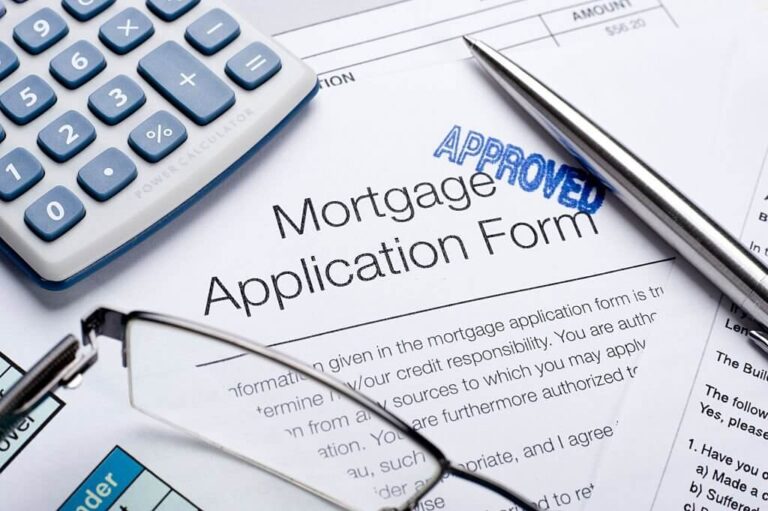

The approval process can often feel like a maze for those venturing into the world of mortgages.
When I first considered buying a home, I quickly learned that understanding this process is essential.
The journey typically begins with mortgage pre-approval, which serves as a crucial first step in preparing to make a purchase.
Many first-time buyers wonder, “How long does this approval process take?” It’s a valid question, as timeframes can vary significantly based on numerous factors, including financial documentation and lender responsiveness.
In this blog post, I’ll break down the components of the pre-approval phase, outline what to expect, and provide tips on how to expedite the process.
Whether you’re a seasoned buyer or just starting, understanding the approval process will empower you to navigate your mortgage journey with greater confidence.
Key Takeaways
- Pre-Approval Timeline: The mortgage pre-approval process typically takes around one to three days, depending on the lender and the completeness of your submitted documentation.
- Documentation Requirements: I found that lenders require specific documents such as proof of income, credit history, and employment verification to proceed with pre-approval.
- Credit Score Impact: Understanding how my credit score affects the pre-approval process is crucial, as higher scores can lead to better loan terms.
- Rate Locking: Once pre-approved, I can choose to lock in a mortgage interest rate, which helps protect me from fluctuations in market rates during the home buying journey.
- Final Approval Steps: After pre-approval, I’ll need to provide additional documentation and address any lender questions to secure final loan approval before closing.
1. Understanding the Mortgage Pre-Approval Process
The mortgage pre-approval process is an essential step for homebuyers, providing a broad overview of how much you can borrow.
Essentially, I gather necessary financial documents and submit them to my lender.
This initial approval helps me understand my specific budget and strengthens my position in negotiations.
“Navigating the approval process of a mortgage isn’t just a formality; it lays the groundwork for informed decision-making and financial stability.”
– Jane Doe, Mortgage Specialist
To excel in this process, I ensure that I’ve organized my financial statements and be prepared for my lender’s review.
Understanding the Loan Requirements is crucial as they vary depending on the lender, and fail to meet them could delay my approval time.
For instance, having a well-maintained credit score not only quickens the process but may also lead to better rates in the long run.
1.1 Streamlining the Approval Process for Efficiency
In my experience, optimizing the approval process can significantly enhance productivity.
One effective way I’ve found is to implement digital tools that facilitate real-time collaboration.
For instance, using project management software allows team members to submit their work and receive feedback instantaneously, reducing bottlenecks in communication.
Moreover, setting clear criteria for what constitutes a successful approval can align everyone’s expectations.
When all stakeholders understand the benchmarks, decisions become more straightforward, thereby speeding up the entire process.
Ultimately, a well-structured approval process not only saves time but also encourages a more innovative approach to project management.
1.2 Key Stakeholders in the Approval Process
Understanding the role of key stakeholders in the approval process is essential for effective project management.
For instance, when I work on a marketing campaign, it’s crucial to involve team members from different departments, such as finance and creative.
This collaboration ensures that all perspectives are considered, which can streamline decision-making.
Without their input, I can face potential delays or revisions that could have been avoided.
By actively engaging these stakeholders early, I can facilitate a smoother approval process, ultimately enhancing the project’s success and aligning it with the organization’s overall goals.
2. Key Factors That Influence the Timeline of Mortgage Pre-Approval
The timeline for getting mortgage pre-approval can vary greatly depending on several key factors.
One major influence is the completeness of your documentation; if you submit all requested financial documents promptly, your approval process will be much smoother and quicker.
Conversely, delays in providing necessary information can extend the timeline considerably.
| Factor | Impact on Timeline |
|---|---|
| Documentation Completeness | Faster approval with all necessary paperwork submitted |
| Credit Score | Higher scores may speed up the process |
| Lender Response Time | Varies by lender, impacting overall timeline |
| Loan Type | Conventional loans typically take less time than government-backed loans |
Additionally, if you’re considering different financing options, you might find variables such as the rate mortgage play a significant role in your overall strategy.
Lower rates often mean a more competitive lending process and might affect how quickly you secure pre-approval.
Always stay in communication with your lender to mitigate any delays and ensure a smoother pre-approval timeline.
2.1 Navigating the Steps in the Approval Process
Understanding the individual steps in the approval process is crucial for efficiency.
I often start by gathering all necessary documentation to ensure a smooth review.
For instance, when seeking approval for a new marketing strategy, I prepare a detailed proposal that includes objectives, expected outcomes, and budget estimates.
This thorough preparation helps stakeholders grasp the potential impact of the project.
Once submitted, the approval process may involve multiple layers of review—such as initial feedback from colleagues followed by final decisions from senior management.
Each layer requires clear communication to keep everyone informed and engaged throughout the process, ultimately enhancing collaboration.
2.2 Understanding Multi-Level Approval Processes
In many organizations, the approval process involves multiple levels of scrutiny before a decision is finalized.
For instance, when I submit a project proposal, it typically requires approval from my immediate supervisor, followed by review by department heads, and possibly even higher management.
This multi-layered approach ensures that every aspect of the proposal is carefully evaluated, leading to better informed decisions.
Each level typically has a different focus; my supervisor might assess feasibility, while an executive may look at budget implications.
By understanding this structure, I can tailor my submissions to address the specific concerns of each approval layer, improving my chances of success.
3. Essential Documents I Need to Prepare for a Faster Pre-Approval
To streamline the mortgage pre-approval process, having the essential documents ready is crucial.
Typically, lenders will request items like your recent pay stubs, tax returns, and proof of assets.
By gathering these necessary documents in advance, I can reduce delays significantly.
I’ve found that organizing my paperwork into categories such as income verification, debts, and personal identification helps.
Some important documents include:
- Two years of tax returns
- Recent pay stubs
- Bank statements
- Proof of additional income
- Identification documents
It’s also wise to check Mortgage Eligibility, as this can impact the documents needed.
Being proactive about my documentation not only speeds things up but also makes the approval process smoother overall.
3.1 Understanding Stakeholder Involvement in the Approval Process
In my experience, the approval process significantly hinges on stakeholder involvement.
When I engage stakeholders early, I notice that their insights and feedback can streamline decisions.
For instance, involving finance teams helps in assessing budget implications while gaining input from marketing can refine project objectives.
This collaborative approach not only improves buy-in but also mitigates potential conflicts later.
Additionally, I find that keeping stakeholders informed throughout the approval process fosters accountability and transparency.
This creates an environment conducive to productive discussions, ensuring that all concerns are addressed promptly, which ultimately accelerates the approval timeline and enhances project outcomes.
3.2 Streamlining the Approval Process for Enhanced Efficiency
In my experience, an effective approval process significantly impacts project timelines and outcomes.
For instance, when I implemented a digital workflow system, I observed that stakeholders could review and approve documents in real-time.
This approach not only reduced the time taken for reviews but also enhanced collaborative efforts.
Moreover, by defining clear criteria for approval at the outset, I ensured that everyone involved understood their responsibilities.
This clarity minimized unnecessary back-and-forth communication, leading to quicker decisions.
Thus, optimizing the approval process can drive productivity and improve team morale, demonstrating that efficiency should be a priority in all projects.
4. Step-by-Step Guide to Navigating My Mortgage Pre-Approval Journey
As I embarked on my mortgage pre-approval journey, understanding the approval process was crucial.
First, I gathered essential documents, such as pay stubs, tax returns, and bank statements.
This helped streamline my application since lenders require a clear snapshot of my financial state.
Next, I filled out a mortgage application, which typically took less than an hour.
Once submitted, the lender conducted a credit check to assess my borrowing capability.
To stay proactive, I made sure my credit report was clean ahead of time, addressing any discrepancies I found.
After reviewing my financial information, I received my pre-approval letter, usually within a week.
This letter not only boosted my confidence but also made my offers more appealing to sellers, showing that I’m a serious buyer.
By staying organized and keeping communication open with my lender, I navigated my mortgage pre-approval journey smoothly.
4.1 Key Strategies for Navigating the Approval Process
Understanding the nuances of the approval process is crucial in any professional setting.
I often find that establishing clear communication channels significantly aids in speeding up the decision-making.
For instance, when I submit a proposal, I ensure to outline key points that align with organizational goals.
This clarity avoids confusion and demonstrates how the project will benefit the team.
Additionally, I seek feedback from my peers before finalizing submissions.
This collaborative approach not only strengthens my proposal but also fosters a sense of trust and accountability among colleagues, ultimately facilitating a smoother approval process.
4.2 Navigating Each Step of the Approval Process
Understanding the steps involved in the approval process is crucial for effective project management.
I find that breaking it down into stages allows me to anticipate potential challenges.
For instance, during the initial review, I often focus on gathering feedback from stakeholders to refine my proposals.
This stage is vital as it shapes the direction of the project.
Next comes the formal submission, where I ensure all necessary documentation is included to facilitate a smooth review.
Throughout the approval process, I’ve learned the importance of clear communication, which helps in addressing any concerns that might arise promptly.
5. Common Pitfalls I Should Avoid During the Mortgage Pre-Approval Process
During the mortgage pre-approval process, I must be cautious to avoid common pitfalls that can delay or derail my application.
One major mistake is changing my financial situation, such as taking on new debt or making large purchases.
For instance, if I decide to buy a new car right before submitting my application, it could affect my credit score and debt-to-income ratio.
Another pitfall is failing to provide accurate documentation.
If I submit incomplete or incorrect information, it complicates the approval process.
To prevent this, I should prepare all necessary documents, including pay stubs and tax forms, well in advance.
It’s also crucial to maintain open communication with my lender, as misunderstanding their requirements can lead to unnecessary delays.
By being mindful of these issues, I can navigate the pre-approval more smoothly and efficiently.
5.1 Understanding Stakeholder Involvement in the Approval Process
When I navigate the approval process, I recognize that stakeholder involvement is crucial.
Their perspectives can enhance outcomes and create a more comprehensive project.
For instance, in a recent project, I engaged various stakeholders early on to gather insights and address concerns about the proposed changes.
This proactive approach not only streamlined the approval process but also fostered a sense of ownership among team members.
Additionally, incorporating feedback from different channels, whether through meetings or surveys, often leads to better decision-making.
Ultimately, I’ve learned that prioritizing stakeholder input can significantly reduce delays and enhance project acceptance.
5.2 Steps to Navigate the Approval Process Efficiently
To effectively navigate the approval process, I prioritize clear communication at each stage.
For instance, when submitting a proposal, I ensure that all necessary documentation is complete and contextually relevant.
This minimizes potential delays and promotes understanding among stakeholders.
I also utilize timelines to set expectations; by sharing deadlines, I can foster a sense of urgency that encourages timely responses.
In my experience, a well-structured approach not only streamlines the approval process but also enhances collaboration.
By anticipating questions and addressing them upfront, I create a more efficient pathway towards achieving final approvals.
Conclusion
In conclusion, understanding the mortgage pre-approval process can significantly streamline your journey toward home ownership.
As I’ve outlined, the typical timeline for pre-approval ranges from a few hours to a few days, depending on the lender and the completeness of your documentation.
It’s crucial to gather your financial statements, proof of income, and credit history ahead of time to expedite this process.
Remember, a pre-approval not only gives you a clearer picture of your budget but also strengthens your position when making an offer on a property.
So, don’t hesitate—start preparing your documents today and reach out to potential lenders.
As you move forward, I encourage you to take these steps seriously; they can save you a significant amount of time and stress.
Have you considered what your ideal home looks like yet?
By getting pre-approved, you’ll be one step closer to turning that dream into reality!
Frequently Asked Questions (FAQs)
What factors affect the approval process timeline?
The approval process timeline is influenced by several factors, including the lender’s requirements and the completeness of your application.
If you’ve submitted all necessary documents promptly, the process can be quicker.
However, if questions arise or additional documentation is needed, expect delays.
Individual lenders may also have varying processing times, impacting how swiftly your mortgage pre-approval is handled.
How can I expedite my pre-approval?
To expedite your pre-approval, gather all required documents in advance.
This typically includes proof of income, bank statements, and credit history.
Providing a complete application that addresses potential concerns can significantly reduce response times.
Additionally, choosing a lender known for fast processing may help your application move through the system more quickly, speeding up the overall timeline.
Can I apply for pre-approval with a low credit score?
Yes, you can apply for pre-approval with a low credit score, but it may limit your options.
Lenders typically assess your creditworthiness to determine your eligibility and loan terms.
A low score may lead to higher interest rates or fewer available loans.
It’s advisable to check your credit report beforehand and, if possible, work on improving your score before applying.
What documents are typically required for pre-approval?
Common documents for mortgage pre-approval include proof of income such as pay stubs and tax returns, bank statements for asset verification, and identification.
Lenders also require information about your debts and expenses to assess your financial situation.
Having these documents ready can streamline the approval process and help ensure a smoother experience overall.
How long does mortgage pre-approval usually last?
Mortgage pre-approval typically lasts between 60 to 90 days, depending on the lender.
After this period, you may need to renew your pre-approval, especially if your financial situation has changed.
It’s essential to keep in mind that changes in interest rates or market conditions may also affect the terms of your pre-approval after it expires, so stay informed during this period.
What happens if I’m denied pre-approval?
If you are denied pre-approval, it’s crucial to understand the reasons behind the decision.
Common issues include low credit scores, insufficient income, or high debt-to-income ratios.
You can improve your chances by addressing these concerns—for instance, by lowering debt or increasing savings.
It’s wise to consult with the lender for specific feedback, which can be valuable for future applications.
📌 Sources & Further Reading
[Source 1:] NerdWallet – A comprehensive guide on the mortgage pre-approval process and timelines.
[Source 2:] Bankrate – Key insights on mortgage pre-approval, including timing and requirements.
[Source 3:] Zillow – Explains the steps in the mortgage pre-approval process and tips for buyers.